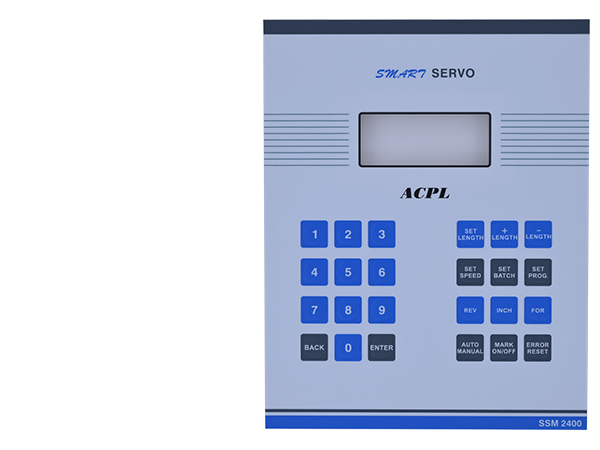
Flexible Printed Electronics
Electronics printing is revolutionising electronic product design and the way it is manufactured. By integrating advanced print technologies and electrically active materials, the technology produces thin, flexible, and inexpensive electric components. Unlike typical production methods, which can be complicated and pricey, printed electronics enable simpler processes that scale and translate across industries.
Printing for electronics, at its core, refers to the application of deposition of conductive inks, polymers, or other functional materials on special substrate materials, such as plastics, glass, or paper. By achieving this, ultra-accurate circuit boards, sensors, displays, and other components become feasible. We have thinner, more flexible, and potentially wearable electronic components, as these can be placed on unconventional designs and substrates.
One key advantage of Flexible Printed electronics is its suitability for wearable and flexible form factors. From wearable clothing and bio monitors in medicine to consumer electronics and car instrument panels, printed technologies open up the possibility of innovation where rigid, old- style circuitry is not feasible. That versatility is driving demand in a number of markets requiring compact, rugged, and efficient solutions.
Alongside rising needs for compact, portable, and eco-friendly equipment, the printing of electronics is at the core of our future. Not only does it enable mass production, but it also reduces the consumption of materials and saves energy, and so constitutes a green option for forward-thinking businesses.
By uniting design freedom and technological advances, printing for electronics is shaping the future of connected objects, healthcare technologies, and connected solutions. Its ability to offer innovative, reliable, and competitive solutions is why it is considered a key enabler of tomorrow's electronic revolution.