
Membrane Switch Panel
A membrane switch panel refers to a thin, rugged, and flexible solution of interfaces carrying functionality and aesthetic appeal in today's electronic devices. It is of layered construction and integrates graphic overlays, spacers, and electric circuits to create an uninterrupted interface of use. It is utilised universally in automobile equipment, consumer electronic equipment, equipment used in the industry, and in healthcare equipment, wherever compactness, reliability, and accuracy prevail most.
As there are more developments in technology, there is more demand for higher usability, and thus, there have been special solutions developed, such as the backlit membrane switch. With the inclusion of light technologies such as LEDs or fibre-optics, these switches allow more visibility under limited light and an overall superior user experience. They become very useful in situations of accuracy and safety under nighttime or limited light operations.
A membrane switch panel's form factor is founded on the concept of custom and executing modules in unison. Panels can be produced in tactile or non-tactile forms, embossed key forms, and clear windows for viewing or LED forms. They can also be developed with resistance to water, dust, and chemicals and utilised for rugged-duty industries and consumer products with sleek appearances.
As a first option among engineers and designers, the backlit membrane switch delivers illumination and more—it ensures ergonomically shaped designs, brand-driven graphics, and operational ruggedness. From applications in diagnostic instruments, control panels, and mobile devices, these solutions contribute toward operator productivity while maintaining resilience.
By merging superior materials, flexible design, and up-to-date appearances, the membrane switch panel earned its status as an industry standard in human-machine interfaces. Its ability to guarantee long-lasting operation, regardless of harsh conditions, continues to retain it among the most reliable solutions worldwide for industries.
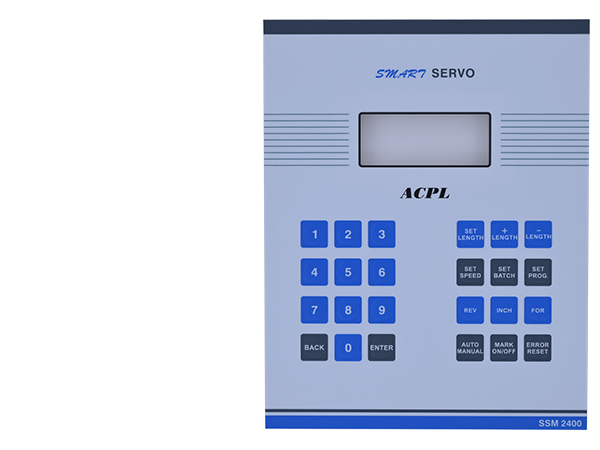
PCB-Based Membrane Keyboard
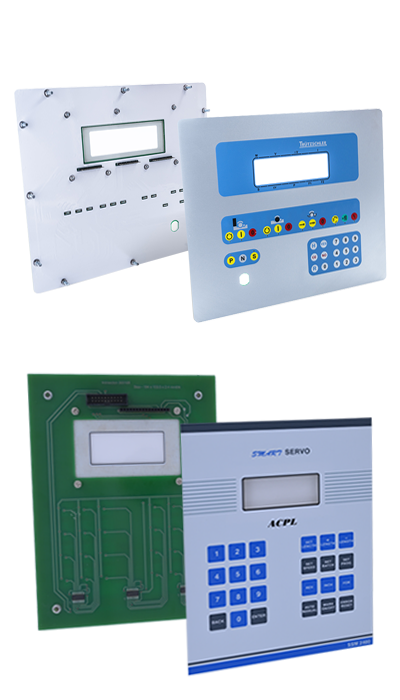
Areas of Use for Membrane Switches
Lightweight, all-in-one Printed Electronics & Bio Sensors designed to withstand millions of actions—that’s what Backlit Membrane Switches/Keypads, also known as membrane panels or keypads—is. Membrane switches are superior to bulky, inflexible alternatives because they are built from layers of thin, flexible, and conductive materials. There are at least five layers in every membrane switch.
Each layer of these switches has a specific purpose, and they are easily put together using pressure-sensitive adhesives or heat-sealing films. The graphic presentation, adhesive layer, PCB layer, circuit layer, graphic adhesive, adhesive separator, second circuit layer, and metal domes comprise the bulk of this switch's important layers. The following discussion will go over each layer as well as the function it serves.
Parameters for a PCB-Based Membrane Keyboard
In this industry, we pcb membrane keyboard manufacturers have made a reputation for ourselves by consistently delivering high-quality products, and our membrane keyboard pcb is no exception. This item utilizes premium quality components and modular machinery following established business norms. Our experts conduct rigorous testing over a wide range of criteria to ensure the quality of the final product. Our devoted clientele can purchase this item from us at a price that won't break the bank.
We the best flexible keypad manufacturer provides PCB Membrane Keypad to fulfil our client's requirements. Our skilled personnel use high-quality raw materials and follow all relevant industry requirements in producing the keypad we offer. Moreover, this keypad is tested in various ways to check for defects and ensure quality. We provide this keypad in several configurations to meet our customers' needs.